
Ultimate Guide on How to Start Running: What Gear do You Need?
by Published on: 3 September 2025

One of the benefits of running is that, compared many other sports and fitness activities, relatively little in the way of specialized gear is required. All you really need is proper running clothing and shoes. And within these categories, of course there are gradations of quality and fashion, with more technical gear that might be necessary for speed or distance running. Other types of gear falls more into the ‘nice to have’ category.
All that said, here is our guide to the basics one needs to start running, plus some of the other, more optional items that can added as you get into the activity. Within each of these categories of equipment, there are huge choices and many sites with recommendations of what to buy.
Running Clothing Basics: Apparel
The basics of running basics: tops and bottoms. For warm weather, it’s running shorts and a t-shirt, preferably made of water-wicking material. For cold weather, long pants and a sweatshirt or running jacket. If it’s below 40F, a hat and thin gloves for running are helpful.
Many runners think in terms of layers, which they’ll have in mind for gradations in temperature. A light top over a t-shirt for when it’s cool. For colder temperatures, runners might consider a base layer.
Women runners often choose to wear a sports bra. There are also more specialized running briefs or underwear that are available.
There’s also outerwear for more specific types of weather, such as windbreakers, rain jackets, and waterproof pants. There are grippers for shoes for trail running or for winter running.
Running Shoes
The global running footwear market is about $50 billion. So naturally, there’s an entire cottage industry of guides to the best running shoes and various shoe review sites. There are running shoes with various levels of cushioning and support, and shoes that are more focused on speed or distance.
It’s best to run with a shoe designed for running. These shoes tend to be lighter than typical sneakers or walking shoes and feature proper support cushioning, which makes the running impact it easier on the body. We recommend going to a running-specific or sporting goods store with knowledgeable reps. They’ll actually watch you run to help you select a shoe that’s best for your foot shape, and also for the way you run, such as pronation.
If you’re sticking to roads and multi-use paths, you don’t need a “trail running” shoe, which is designed for more technical terrain. Expect to spend $80-120 for a decent pair of running shoes. A rule of thumb is that running shoes should be replaced every 500 miles or so. If you want to learn more about running shoe options, a couple of sites we recommend are RunRepeat and Runner’s World.
Other Running Gear to Consider
As we said, tops, bottoms, and shoes are the running ‘essentials’. Below are some other categories of gear to consider. For each of these types of items, there are myriad articles and review sites that can provide recommendations.
- Tunes. The majority of runners like to listen to something when running. Music—when used safely—can be a great running buddy, and there are tons of running playlists on Spotify and Apple Music. Running also offers a great opportunity to catch up on podcasts or enjoy an audiobook. Pro Tip: Keep the volume low enough to be able to hear cars, bike bells, etc.
- Running Headphones & Accessories. Many runners choose to have fitness type headphones that are wireless, light, and that fit well while doing a recreational activity. It’s also important to have something that will be OK if it gets wet — from snow or rain!

- Fitness Watch. Fitness watches, such as those made by Garmin or Apple, can track running time and distance, and other metrics such as heartrate, stride length, and so on. They generally sync with a companion app that stores information about your runs.
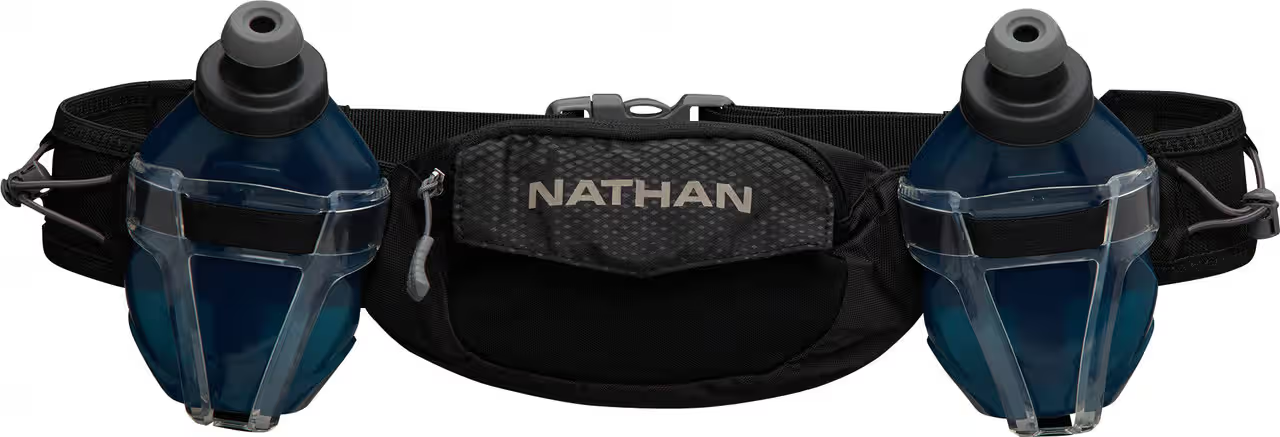
- Running Belts. If you prefer to not carry a phone in your hand, there are running belts that fit a phone (so the phone doesn’t bounce or jiggle) and other essentials such as money and ID. There are also running belts that can carry water bottles, which are helpful for hot days or a longer run.
In addition to these ‘basics’, other types of gear that runners buy can include: specialized running socks, sunglasses/eyewear meant for recreational activity, headbands, and compression wear.