
Embracing Winter Running
by Published on: 16 January 2025
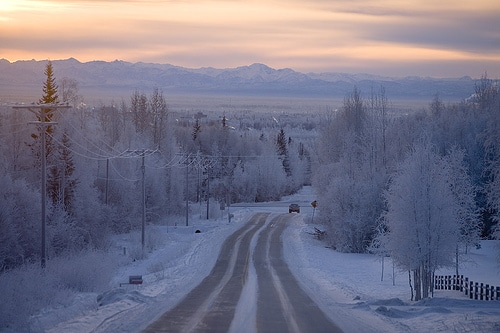
When it comes to winter, there are two types of runners: those who head to the treadmill or favorite warmer clime and those who don the extra layer and seek the snowiest of scapes. Winters runners cheer the forecast that says it’s going to be 22°and crisp, rather than 42° and drizzly.
So for all you winter running lovers, we’ve put together this article as a ‘getting started guide’: how to maximize your winter running enjoyment, tips for winter running safety, and an overview of some of the best cities for winter running. For more, see our Winter Running Hub for more ‘best of’ lists of winter running cities and routes!
What Makes A Winter Running City?
And just like there are ‘winter runners’, there are also winter running cities. What makes a great winter running city? These are the cities that have a winter culture. There are more people out when it’s crisp and cold than when it’s meh and 40. Winter cities celebrate and embrace winter, turning tennis courts into ice rinks, laying ski tracks in their parks and preserves, and invariably hosting some form of winter carnival. And for runners, some of the iconic roads and trails are maintained and cleared from snow so they can be enjoyed in winter.
Another key ingredient, of course, is reliable winter weather! It’s the winter equivalent of trying to find a reliably sunny and warm spot for a ‘snowbird getaway’. That means temperatures remaining consistently below freezing during the winter months, with reliable snow cover from December through at least February.
Great Runs has put together a comprehensive guide of the best cities for winter running, organized by region. Here are a few ‘superlatives’:
- Snowiest Major Cities: Sapporo, Japan averages 235 inches of snow annually. In North America, Syracuse holds the title of snowiest major city.
- Coldest Cities: Among major cities, Montreal, Canada and Moscow, Russia are known for their cold. Ulaanbaatar, Mongolia is the coldest capital city in the world, with an average high temperature in January of -14C (it’s also super dry in winter).
- Cities with Great Winter Running Infrastructure. Some of the cities that do a great job of maintaining some of the most popular running spots in winter: Minneapolis-St.Paul (clears the Chain of Lakes Trail); Ottawa (clears the paths along the Rideau Canal), and Red Deer, Alberta (has won awards for its snow clearing!)
Maximizing Your Winter Running Enjoyment
Now, if you’re lucky enough to be living in or traveling to one of these wintry spots, here are a few tips to maximize your winter running enjoyment. One key objective is to find the prettiest and safest spot for running. In winter, we tend to avoid paths along the water, as they are first to ice up and can be exposed. It’s generally prettier to run in a park, in order to enjoy the snowy canopy. If it’s snowing or slippery, the best bet is to find a pretty residential area, since the roads are most likely to be sanded and plowed.
PRO TIP: Look for the ‘Gorgeous Residential‘ keyword or ‘Fantastic Neighborhood‘ category on the on the Great Runs site.
Tips for Winter Running Safety
In terms of running safety, it’s helpful to know which roads, sidewalks, and paths are maintained. In fresh snow or if it’s icy, the wider, main streets and sidewalks of downtown areas and school districts are usually plowed first and are best maintained. One inevitability of winter running is that early morning or evening run in the dark. Know which streets are properly lit. Watch out for black ice, especially in the morning, if there was snow melt the previous day and the temperature dipped below freezing overnight. And give cars a wide berth when running on a slippery road… they might slide too, and they’re bigger.
Of course, there’s always the clothing question. Err on the side of brightness, and comfort over fashion. Wearing a base or wicking layer is especially important for a longer run or if you’ll be starting and stopping. Accessories like Yaktrax can be super helpful for getting traction on snow or ice. If trail running or on super icy terrain, crampony-like grippers such as Yaktrax ICETrekkers can be a savior.
One final tip for winter running: know when to say “this is a treadmill” day. In other words, don’t risk the glories of spring running by getting injured. If it’s sleet or freezing rain, fuhgeddaboudit. Avoid running when you think there might be black ice, especially if it’s dark. And if it’s snowing hard outside, my experience has been that it’s hard to run without goggles, and hard to run with them (they seem to fog up much more easily when running compared to when skiing for some reason). Wait till the snow ends and the plows have had a couple of turns through the neighborhood.
If you embrace winter and are lucky enough to experience the runner’s equivalent of a ‘powder day’, that run might be among your most memorable of the year.