
Best Running Applications: Top Apps for Tracking Runs and Improving Performance
by Published on: 12 September 2025
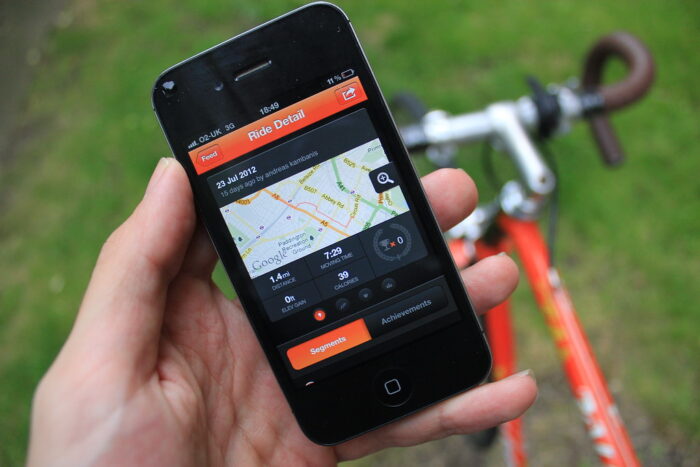
In a survey conducted by PMC, just over half of runners use an app to track their runs. And there are some 368 million users of fitness apps globally (not all of them runners).
The common feature of all of these apps is that they record and track your run: distance, time, pace, and elevation gain. Most also show a map of the route that’s been run. If tied to a wearable fitness device, such as a Garmin Watch or an Apple Watch, they also provide other fitness and health metrics, such as heart rate, estimated calories burned, run cadence, and stride length.
In this article, we’ll provide an overview of the top apps, and their main differentiators.
Overview of the Apps
There are two categories of running apps.
- An app that’s tied to a wearable device, such as an Apple Watch, Garmin watch, or Fitbit. It’s the device itself that’s actually doing the recording (most of them have GPS). These devices have a companion app (Apple Health, Garmin Connect that store your information and running history.
- Apps that are not tied to a wearable device. These apps, such as Strava, MapMyRun, Runtastic, and Runkeeper, generally sit on your phone. You record your run using the app. They all provide the basic information (using the phone’s GPS & accelerometer) such as time, distance, pace, and elevation gain. Additional metrics depend on the capabilities of the phone itself. The data from the apps generally sync with most wearables.
Most of these apps offer free and premium versions. The free version of all these apps provide the essential metrics – time, distance, pace, and elevation gain. The premium version of these apps generally cost $50-75 per year. The features and attributes of the premium versions vary fairly significantly across the apps, but can include:
- Enhanced route planning
- More detailed performance metrics
- Coaching and training
- Community features such as leaderboards
- Ad-free version (for the apps that run ads)
Key Differentiators of the Top Running Apps
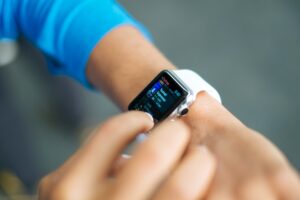
Here, we will focus on the leading running apps that aren’t tied to a wearable device. The apps that are tied to a wearable like the Garmin Watch or Samsung Galaxy Watch are essentially companion apps to the devices.
Strava is the leading independent app. Three of the other leading apps are owned by apparel companies: Runkeeper (ASICS); Runtastic (Adidas) and Nike Run Club (Nike) – though you don’t need to own their shoes to use the app! The other popular app, MapMyRun, is owned by Outside.
Below is a summary of the key differentiators of the apps. Note this is not a detailed review.
Strava. The leading independent app. It tends to be used by more competitive runners, because a lot of the premium features are tied to comparing your stats with other runners. Strava is perhaps best known for its social and community features, such as ‘Strava Segments’.
MapMyRun. One of the original running apps. Does all the basics well. The web-based version is especially good for route mapping and its use-generated route database. The premium version of the app, called MVP, delivers an add-free experience and more metrics.
Runkeeper. Similar to MapMyRun, in that it does all the basics well. Given its ties to ASICS, there are some enhanced training features.
Runtastic (Adidas Running). Like the other apps, it does the basics well. Adidas relationship means more training features, motivational cues, and tracking gear integrated into some of its shoes.
Nike Run Club (NRC). Probably offers the broadest array of guided runs, coaching, audio prompts, and fun workouts. Some of these features are free on NRC, while other apps charge a premium.