
Paul Ryken: Running Coach, Veteran Marathoner, Location-Independent Traveler
by Published on: 17 January 2026

Note: This is the first in a series of articles by friend of Great Runs, Paul Ryken. In addition to coaching marathon runners through his firm Intentional Runner, Paul is a location-independent traveler who, together with his wife, documents his approach to deliberate travel and intentional living at Minimalist Journeys. 60+ countries so far, with Africa on the schedule for 2026!
Paul Ryken – Running the World, One Street at a Time
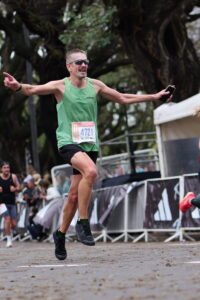 My name is Paul Ryken. I’m a running coach, a long-time marathon runner, and for the past nine years, a location-independent explorer.
I’ve run most of my adult life, but rarely in one place for long. Since quitting my corporate role and selling our house, running has taken me through more than 60 countries—occasionally for a race, often simply because I was there. Over time, running stopped being just training. It became how I learned cities, how I stayed grounded while traveling, and how I connected with the locals in unfamiliar places.
That perspective is why I’m now writing for Great Runs.
Learning places by running through them
When you run somewhere new, you notice things you miss on foot or in a car. You learn where people gather early in the morning, how traffic really flows, which paths feel welcoming, and which trails don’t. You learn quickly that great running routes are rarely obvious—and that local knowledge matters far more than a map.
One weekend in Japan, while preparing for the Nagano Marathon, I ran in the Tsurumi Ryokuchi parkrun in Osaka. The next day I needed a 30-kilometre long run. Through a parkrun connection, I was introduced to a local runner, Noriyuki. We shared only a few words of English between us, but we agreed on a meeting point and a time.
The following morning was cold, rainy, and windy. Noriyuki took me on a long, scenic route around Osaka Castle, through Yodogawa Kasen Park, and along the river paths (These were routes I would never have stitched together on my own and at the time, weren’t available on Great Runs (they are now!). We ran mostly in silence, occasionally smiling or gesturing when the weather turned rough. Despite the conditions, it was one of the most enjoyable long runs of my training block. We still keep in touch.
That run stayed with me not because of the distance or the pace, but because it highlighted something fundamental: running is a quiet form of connection. Shared effort doesn’t need a common language. It needs trust, awareness, and respect for the place you’re moving through.
How that shaped my coaching
I ran my first marathon at age 15. Since then, I’ve run marathons across multiple decades of life, in very different conditions, and on six continents. I still train consistently—usually six days a week when healthy—and I’m still competitive by nature. But experience has taught me that longevity in running comes from patience and perspective, not shortcuts.
I coach using the Lydiard method, which emphasises long-term aerobic development, consistency, and gradual progression. Many modern marathon plans draw on these principles, even if they package them differently. What matters to me isn’t the method’s name—it’s that runners understand why they’re doing the work and how to adapt it when life or conditions change.
Coaching, for me, isn’t about handing out workouts. It’s about education, assessment, and relationship. I work with runners only after understanding their background, constraints, and goals. Helping first-time marathon runners build confidence safely has reinforced that thoughtful planning and clear communication matter far more than rigid schedules.
Why Great Runs makes sense to me
Great Runs sits at the intersection of running and place—and that’s where most of my experience lives.
In my column, I’ll focus on practical, place-based running guidance drawn from years of running in unfamiliar environments. How to choose routes that make sense. How to read a city early in the morning. How to adapt when weather, terrain, traffic, or fatigue change the plan. And how to make decisions that prioritise safety and enjoyment over ego.
I won’t offer medical advice. I won’t promote one-size-fits-all training plans. And I won’t encourage risky or attention-seeking behaviour. I’m old-school in that sense, and comfortable with it. What I will share are grounded observations and practical lessons that help runners feel more confident and capable wherever they run.
Running as part of a bigger life
My running isn’t separate from how I live and travel — it is part of it.
Since 2016, my wife and I have lived location-independently, travelling slowly with carry-on luggage, conscious choices, and a focus on spending less on stuff and more on meaningful experiences — all documented at Minimalist Journeys. At its core, that platform is about living with less distraction and choosing better ways to engage with the world — ethically, responsibly, and with awareness of the impact our presence has on both communities and environments.
This isn’t a lifestyle fad. It’s a values-driven framework that shaped why I run the way I run and how I coach.
Minimalism here doesn’t mean doing without; it means eliminating noise so what’s left matters. When you run in a foreign city, you notice patterns in streets you’d otherwise miss. You see where people greet the day, where routes link logically, and where hidden—and safe—paths lie. These are not aesthetic travel pleasures: they are data points you accumulate over time, through deliberate movement and observation.
Running, intentional living, and responsible travel are part of the same decision process:
- minimise clutter so you can pay attention instead of being overwhelmed
- prioritise local context over generic top 10 lists
- engage with people and places on their terms, not yours.
This mindset informs how I approach running in new locations — with curiosity, humility, and an empirical eye toward pattern recognition and risk awareness — not just adventure. And it’s also why the advice here will be about how to run wisely in the real world, not how to chase social-media tropes or superficial experiences.
Bio
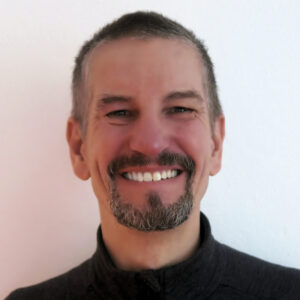 Paul Ryken is a Lydiard-certified running coach and long-time marathon runner who has spent the past nine years running in more than 60 countries while living location-independently. Drawing on decades of experience and extensive time running in unfamiliar environments, he focuses on helping runners make better decisions about routes, training, and safety in new places. Paul coaches marathon runners through Intentional Runner, and documents his approach to deliberate travel and intentional living at Minimalist Journeys.
Great! Looking forward to read more!!!