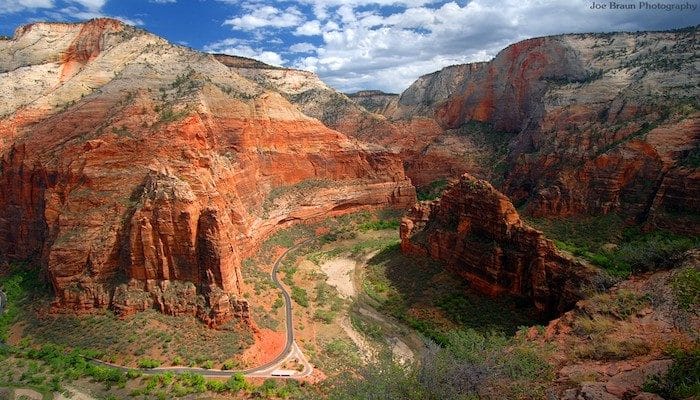
Zion Canyon National Park is relatively small compared to other National Parks, but will wow you with its rock canvases and stone sculptures. Located in Southwest Utah, about a 2 hour drive from Las Vegas, Zion marks the Western edge of the Colorado Plateau. While you visit you can appreciate the striking red Navajo sandstone cliffs that rise 2,000 feet and well as the Virgin River winding through the park. SEE ALSO: Our running guide for St. George, ‘gateway city’ for Zion, and home to Snow Canyon State Park, which has some of the same spectacular features as Zion.
Zion is mainly a park for walking and hiking, as the park is small and most of the suggested routes are on mountains or on trails not really suitable for running. The two best options for running are the Pa’rus Trail, which is a 1.7 mile, flat, paved path that skirts the Virgin River in the flat and open lower section of Zion Canyon, and is close to one of the campgrounds. The other possibility is to run along the 6.2 miles Scenic Drive that runs from the Visitor Center to Temple of Sinawava shuttle bus stop along the canyon, with amazing views of striking red Navajo sandstone cliffs. A benefit here is that it is closed to cars in season.
Note about Zion running: summers can be hot, with temperatures exceeding 100F. Please bring sunscreen and lots of water!
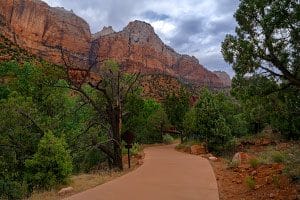
The Pa’rus Trail is a 1.7 mile, flat, paved path that skirts the Virgin River in the flat and open lower section of Zion Canyon. It is close to the Visitor Center and main camping areas. Along the way, the scenery is quite pleasant, including several bridges that cross above the river, various wildflowers, and often mule deer. The path ends at Canyon Junction (stop 3 on the shuttle bus) and leads you out onto the Zion Canyon Scenic Drive
Zion Canyon Scenic Drive
6.2 miles one way from Visitor Center to Temple of Sinawava
The scenic drive runs 6.2 miles from the Visitor Center to Temple of Sinawava, with amazing views of striking red Navajo sandstone cliffs. This is the best running option in Zion. A benefit is that only shuttle buses, bikes and pedestrian traffic are allowed along this main park road from April to October, so one can run one way up or down the trail or just run segments, then hop a shuttle bus back. Note that there’s not a wide shoulder, however the shuttle buses are very respectful of pedestrians and pass with ample space. The road from Canyon Junction to Temple of Sinawava is gently uphill.
Angels Landing
This is a popular hiking trail, and on busy days, too busy for running. The entire route is 8.7 miles round-trip, and the last mile is a hike and not a run. But if you go really early or when it’s not crowded, the hike through the canyon for the first 3 miles or so is a wonderful run. Quite hilly, but gradual.
Video Preview of Zion!
https://youtu.be/JbBuuedv-3s
Zion Canyon National Park is relatively small compared to other National Parks, but will wow you with its rock canvases and stone sculptures. Located in Southwest Utah, about a 2 hour drive from Las Vegas, Zion marks the Western edge of the Colorado Plateau. While you visit you can appreciate the striking red Navajo sandstone cliffs that rise 2,000 feet and well as the Virgin River winding through the park. SEE ALSO: Our running guide for St. George, ‘gateway city’ for Zion, and home to Snow Canyon State Park, which has some of the same spectacular features as Zion.
Zion is mainly a park for walking and hiking, as the park is small and most of the suggested routes are on mountains or on trails not really suitable for running. The two best options for running are the Pa’rus Trail, which is a 1.7 mile, flat, paved path that skirts the Virgin River in the flat and open lower section of Zion Canyon, and is close to one of the campgrounds. The other possibility is to run along the 6.2 miles Scenic Drive that runs from the Visitor Center to Temple of Sinawava shuttle bus stop along the canyon, with amazing views of striking red Navajo sandstone cliffs. A benefit here is that it is closed to cars in season.
Note about Zion running: summers can be hot, with temperatures exceeding 100F. Please bring sunscreen and lots of water!
The Pa’rus Trail is a 1.7 mile, flat, paved path that skirts the Virgin River in the flat and open lower section of Zion Canyon. It is close to the Visitor Center and main camping areas. Along the way, the scenery is quite pleasant, including several bridges that cross above the river, various wildflowers, and often mule deer. The path ends at Canyon Junction (stop 3 on the shuttle bus) and leads you out onto the Zion Canyon Scenic Drive
Zion Canyon Scenic Drive
6.2 miles one way from Visitor Center to Temple of Sinawava
The scenic drive runs 6.2 miles from the Visitor Center to Temple of Sinawava, with amazing views of striking red Navajo sandstone cliffs. This is the best running option in Zion. A benefit is that only shuttle buses, bikes and pedestrian traffic are allowed along this main park road from April to October, so one can run one way up or down the trail or just run segments, then hop a shuttle bus back. Note that there’s not a wide shoulder, however the shuttle buses are very respectful of pedestrians and pass with ample space. The road from Canyon Junction to Temple of Sinawava is gently uphill.
Angels Landing
This is a popular hiking trail, and on busy days, too busy for running. The entire route is 8.7 miles round-trip, and the last mile is a hike and not a run. But if you go really early or when it’s not crowded, the hike through the canyon for the first 3 miles or so is a wonderful run. Quite hilly, but gradual.
Our selection of the 1-2 'must do' runs in the major U.S. national parks. The focus is on the most scenic, safe, and accessible spots for a run, geared toward the everyday runner.
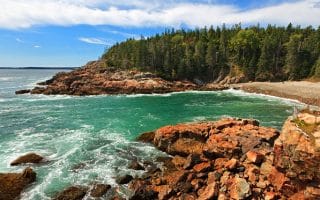
The Park Loop Road is great for running, especially the 5 mile section between Seal Beach and Little Hunters Beach. The Carriage Roads are special for running, with many options. And for a true challenge, run up Cadillac Mountain!
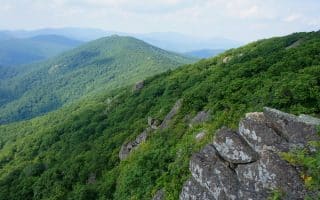
75 miles from Washington, D.C., featuring the famed 105 mile Skyline Drive. Wonderful drive touring and hiking opportunities. Good running options along some of the gentler trails and fire roads. Trail runners will find lots of options here too!
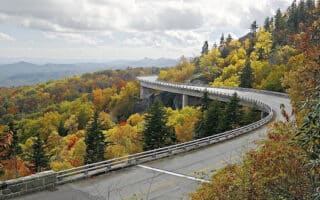
469-mile scenic road features stunning vistas, rugged mountains, and pastoral landscapes. With no shoulder, the Parkway and isn't great for running. We've researched the more runnable hiking trails and also recommend the carriage roads of Moses Cone Park.
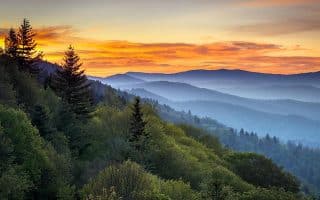
America's most visited National Park. A great option for runners is the Cades Cove Loop Road, which runs 11 miles one-way. Also good running in the Greenbrier Cove area. Famous for wildflowers!
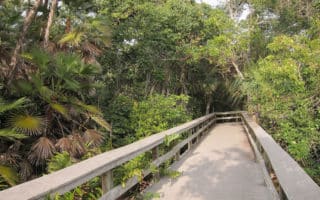
Huge park southwest of Miami with 1.5 million acres of wetland. Some of the best spots for running are the Shark Valley Bike Trail, Pinelands trails, the Old Ingraham Highway Trail and the Flamingo area trails.
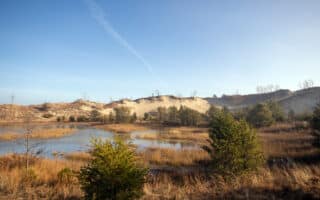
Located only an hour from Chicago, Indiana Dunes National Park is known for its spectacular dunes, wetlands, forests, and beaches. We've researched the best running options among the 50 miles of hiking trails and 37 miles of bike trails.
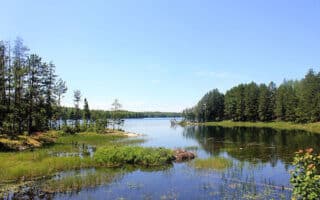
Water-based National Park with a series of interconnected waterways. Some scenic trails for running near the three Visitor Centers, featuring forests, marshes, wetlands, and lakes. Spectacular for running in winter, with trails and "ice roads"!
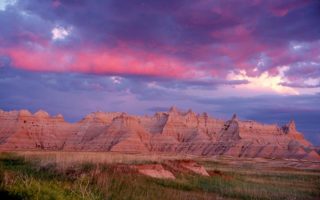
Dramatic landscapes spanning layered rock formations, steep canyons and towering spires. Best spots for running are along the Badlands Loop Scenic Highway, Sage Creek Rim Road, Castle Trail, and Sheep Mountain Table Rd.
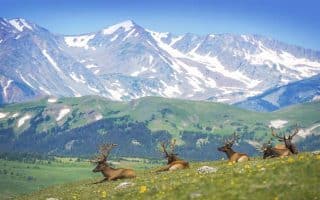
Wonderful park within 90 minutes of Denver. Majestic mountain views, mountain lakes, wooded forests, mountain tundra. Best running options are trails around Cub Lake, Lily Lake,Upper Beaver Meadow, and Emerald Lake.
Park in southwestern Colorado is a glimpse into communities that the Pueblo people built on the mesas and in the cliffs. 30 miles of hiking trails around mesas, and into rugged canyons. Best for running is the 5-mile Long House Loop.
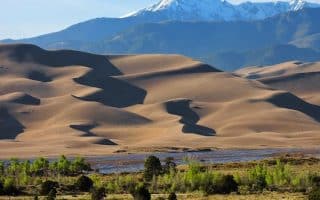
North America's tallest dunes, and terrain that also alpine peaks, forest, grasslands, and wetlands. Running the dunes is a singular experience but also very challenging. Best bet for running in the park are the miles of grasslands trails.
A remote and isolated park, featuring gorgeous mountains, desert, and 120 miles along the Rio Grande River. Best running spots are some of the gentler mountain trails, in the desert, along the river, and some of the park's scenic roads.
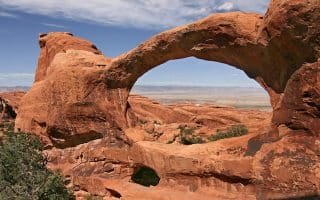
Along with Canyonlands NP, located in the outdoor recreational mecca around Moab, UT. For Arches, we recommend running the Landscape Arch, a nice 2-mile route starting at Devils Garden Trailhead. Arches Scenic Dr. is also runnable.
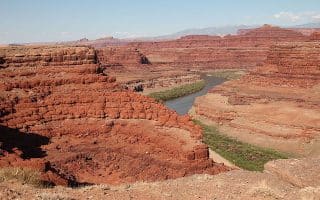
This area, near Moab, is a mecca for biking, hiking, climbing and other adventuring activities. Great running options in Canyonlands are Colorado River Overlook trail, Neck Springs, and a trail along Murphy Point Overlook.
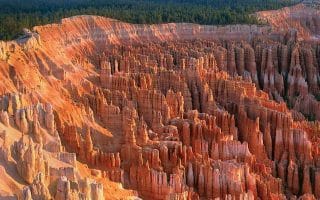
Bryce is marked by the salmon and orange-colored limestone that create a maze of spires, pinnacles and fins. Best running options are the new shared use bike path connecting Bryce and Red Canyon; and the 5.5 mile Rim Trail.
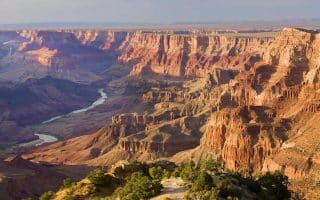
The best running options are in the South Rim section of massive Grand Canyon. Great running along the Rim Trail, the network of Greenways throughout the Village and surrounding communities, and the Arizona National Scenic Trail.
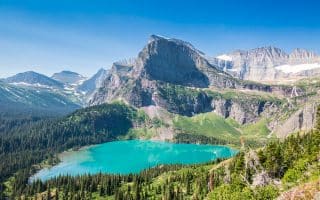
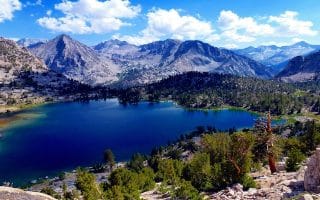
Pristine forests, alpine meadows, glacier-carved peaks, spectacular lakes, wildflowers! Fantastic trail running. We've included some gentler trail running options, plus some multi-use paths just outside the park in Kalispell & Hungry Horse.
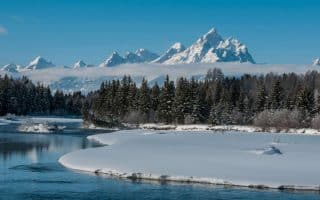
Showcasing the major peaks of the 40-mile-long Teton Range. Best for running in summer. Good options are the Grand Teton multi-use path, Taggart Lake Trail, and 6-mile loop around Two Ocean Lake.
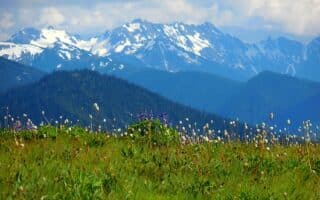
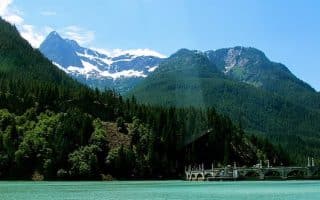
240,000 acre park, 2-hour drive from Seattle. Wonderful running opportunities, around valleys, waterfalls, subalpine meadows, old-growth forest and glaciers. Best routes are along some of the less traveled side roads and gentler hiking trails.
One of the closest national parks to a major metro area, the 1 million acre Olympic National Park has an incredible diversity of terrain, featuring snow-covered mountains, lush rain forests, and dramatic coastal terrain.
A stunning and diverse alpine landscape, less than three hours from Seattle. Generally it's more challenging trail running. Best running options are in Stekehin, accessed only by ferry. The MUST DO run is the first 6 miles of Stekehin Valley Road.
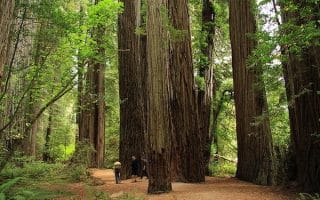
133,000-acre park located near the California-Oregon border features some of the tallest trees on earth, as well as vast prairies, oak woodlands, riverways, and 40 miles of rugged coastline. Our recommendations on the best trails, roads, and beaches for running.
The world’s first national park, showcasing colorful hot springs, mudpots, and geysers, in addition to its dramatic mountains, forests, lakes and wildlife. Several good running options -- read our caution note about wildlife. Video excerpt!
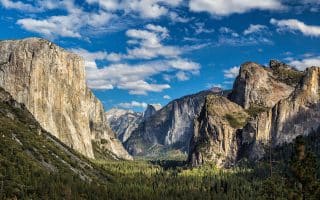
Waterfalls, deep valleys, grand meadows, ancient giant sequoias, a vast wilderness area in this 1,200 square mile park. Two good running options are the Yosemite Village Multi-Use Path, and Tuolumne Meadows.
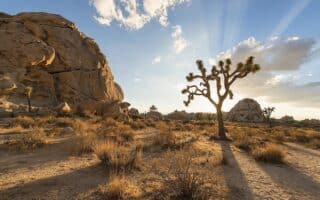
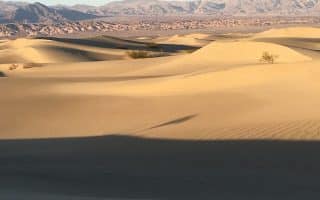
Not one of the better national parks for running, given the rugged, often sandy terrain, and summer heat. Best options are the backcountry roads, some of the easier hiking trails, and quiet residential streets in Yucca Valley & Desert Hot Springs.
One of the more unique parks in terms of terrain, geography, and extreme weather. Fantastic opportunities for trail running -- though easy to get lost! Some good running options along park roads - sunrise/sunset are best.
Huge mountains, rugged foothills, deep canyons, vast caverns, and the world’s largest trees in these side-by-side parks. Recommended running: Roaring Rivers to Zumwalt Meadows Loop in Kings and Crescent Meadow Trail and Road.
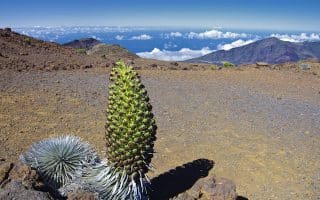
A one-of-a-kind run on a barren volcano, with incredible ocean views. Very challenging 10-mile run to the 10,000-foot summit is 3,000 foot gain. Or, have a partner drop you part way or go up for sunrise and run down.
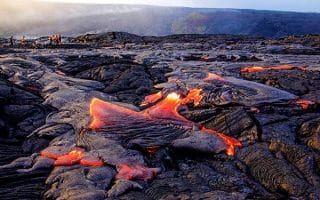
A one-of-a kind place. Hike or run the rim of an active crater, or run on trails or roads to enjoy terrain that includes deserts and rain forests, past craters and rift zones. We outline several good options. Note trail closures and air quality warnings!
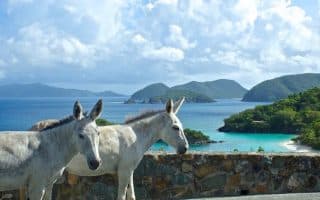
Virgin Islands National Park comprises 60% of the land mass of the St. John in the U.S. Virgin Islands. Numerous trails in the park are good for running, notably the Francis Bay Trail to Leinster Point, the Johnny Horn Trail, and Lind Point Trail.
Share your feedback on this route and see that of other Great Runs users. Click on the image icon to upload a photo. And please let us know if there are notes or changes we should incorporate!

 . It is close to the Visitor Center and main camping areas. Along the way, the scenery is quite pleasant, including several bridges that cross above the river, various wildflowers, and often mule deer. The path ends at Canyon Junction (stop 3 on the shuttle bus) and leads you out onto the Zion Canyon Scenic Drive





Review or Comment on This Route/Share a Photo!
Share your feedback on this route and see that of other Great Runs users. Click on the image icon to upload a photo. And please let us know if there are notes or changes we should incorporate!